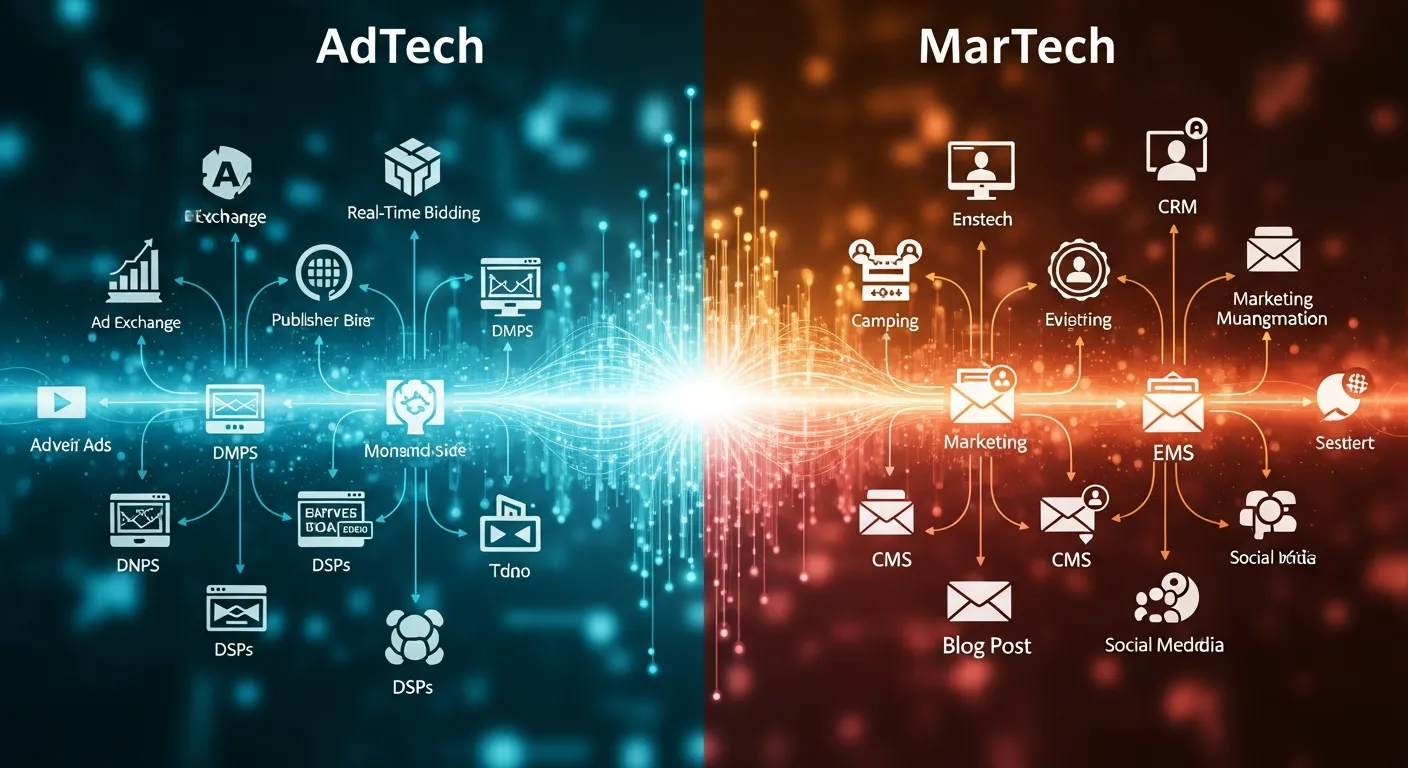
In today’s fast-paced digital world, it’s easy to feel overwhelmed by the sheer volume of tools and technologies available to marketers. Ever felt like you need a degree just to navigate the martech landscape? Well, fear not. We’re here to demystify the realm of martech companies. From improving customer experiences to streamlining processes, these companies are at the forefront of the marketing revolution. So, grab a coffee, and let’s jump into the intriguing realm of martech.
Table of Contents
ToggleWhat Are Martech Companies?
Martech companies, short for marketing technology companies, are innovative organizations that provide tools and software to enhance marketing efforts. These companies blend technology with marketing strategies to offer solutions that simplify and optimize campaign execution. Think of them as the Swiss Army knives of the marketing world, equipping businesses with everything from analytics to automation. Whether it’s email platforms, social media tools, or data analytics software, martech companies are indispensable allies in the quest for marketing success.
Importance of Martech in Modern Business
We can all agree that marketing today is vastly different from what it was a decade ago. The rise of the digital age has made it crucial for businesses to adapt or risk falling behind. This is where martech companies come into play. They empower organizations to reach their target audience more effectively. By utilizing data-driven insights, businesses can make informed decisions and create tailored marketing strategies that resonate with consumers. Eventually, martech not only enhances efficiency but also drives growth. In a nutshell, it’s what helps us turn leads into loyal customers.
Key Types of Martech Companies
When exploring the martech universe, it’s important to recognize the various types of companies operating within this space. Here are some key categories:
1. Analytics Platforms
These companies focus on compiling data from multiple sources, providing valuable insights into consumer behavior and campaign performance. Think Google Analytics or Adobe Analytics.
2. Content Management Systems (CMS)
Platforms like WordPress or HubSpot allow businesses to manage and publish content, making it essential for SEO and branding efforts.
3. Customer Relationship Management (CRM)
Companies such as Salesforce enable businesses to manage customer interactions and relationships, streamlining communication and boosting retention.
4. Email Marketing Tools
Services like Mailchimp help businesses design, send, and track email campaigns, ensuring that messages reach the right audience.
5. Social Media Management Tools
Platforms such as Hootsuite or Buffer simplify the process of managing social media accounts, scheduling posts, and analyzing engagement data.
By recognizing the different types of martech companies, we can appreciate the diverse solutions they offer, catering to various marketing needs.
Trends Shaping the Martech Landscape
As we look to the future, several trends are emerging that are reshaping the martech space. One significant trend is the rise of artificial intelligence (AI). With AI, martech companies can offer more personalized experiences, automating tasks and analyzing data faster than ever before.
Another trend is the integration of tools. We’re seeing a shift towards all-in-one platforms that combine various marketing functions into a single software solution. This not only saves time but also enhances collaboration across teams.
Finally, sustainability is becoming a hot topic within the industry. Consumers are increasingly aware of environmental issues, pushing companies to adopt more eco-friendly practices.
Challenges Faced by Martech Companies
Even though their growth and importance, martech companies face several challenges. One of the biggest hurdles is data privacy. With regulations like GDPR and CCPA, companies must navigate complex legal landscapes while ensuring customer data is handled responsibly.
Also, there’s the challenge of integration. As businesses adopt more tools, ensuring compatibility between different platforms can be a challenging job.
Finally, with the rapid pace of technological advancements, staying up-to-date is imperative. Martech companies must constantly innovate to meet evolving market demands and ensure their solutions remain relevant.
The Future of Martech Companies
Looking ahead, the future of martech companies appears bright as they continue to evolve and innovate. We can expect to see even more focus on AI and machine learning, allowing for deeper insights and more automated processes.
Besides, as digital transformation accelerates, companies will increasingly rely on martech tools to streamline operations and enhance customer experiences.
We anticipate a rise in partnerships between tech firms and traditional marketers, leading to more collaborative solutions that leverage the strengths of both worlds.