
Electric utility vehicles are turning heads and changing the game in the automotive world. Imagine cruising through the streets without the roar of an engine or the guilt of contributing to pollution. These eco-friendly titans pack a punch while keeping the planet happy. Who knew saving the Earth could feel this good?
With advancements in technology, electric utility vehicles offer impressive range and power. Whether it’s hauling heavy loads or navigating tight city streets, these vehicles are ready for action. Plus, they come with the added bonus of lower operating costs and fewer trips to the gas station—because who doesn’t want to spend less time fueling up and more time enjoying life?
Overview of Utility Vehicles Electric
Electric utility vehicles represent a significant evolution in automotive design and functionality. These vehicles cater to diverse operational needs, ranging from heavy-duty tasks to everyday urban commutes. Featuring advanced battery technology, they provide an impressive range of up to 300 miles on a single charge, depending on the model.
Many manufacturers focus on integrating powerful electric motors into their designs. Power outputs for electric utility vehicles can exceed 500 horsepower, ensuring that they handle heavy loads with ease. The strength of these vehicles makes them ideal for both construction sites and recreational use.
Cost efficiency plays a crucial role in their appeal. Operating costs for electric utility vehicles are substantially lower, with electricity costing about one-third less than gasoline on a per-mile basis. Maintenance requirements also decrease due to fewer moving parts in electric drivetrains, which translates into savings over the vehicle’s lifespan.
Environmental impact further enhances the attractiveness of electric utility vehicles. By producing zero tailpipe emissions, they contribute to cleaner air and lower greenhouse gas levels. This shift toward sustainability aligns with global efforts to combat climate change.
Utilities and municipalities increasingly adopt electric utility vehicles for their fleets. Adoption reduces dependency on fossil fuels, supports green initiatives, and often qualifies for government incentives, enhancing the overall investment. Such commitment to electrification showcases a responsible direction for modern fleets.
Electric utility vehicles not only deliver impressive performance but also embody innovation in the automotive industry. Their growing presence signals a commitment to sustainability, paired with economic benefits that attract a wide range of users.
Benefits of Electric Utility Vehicles
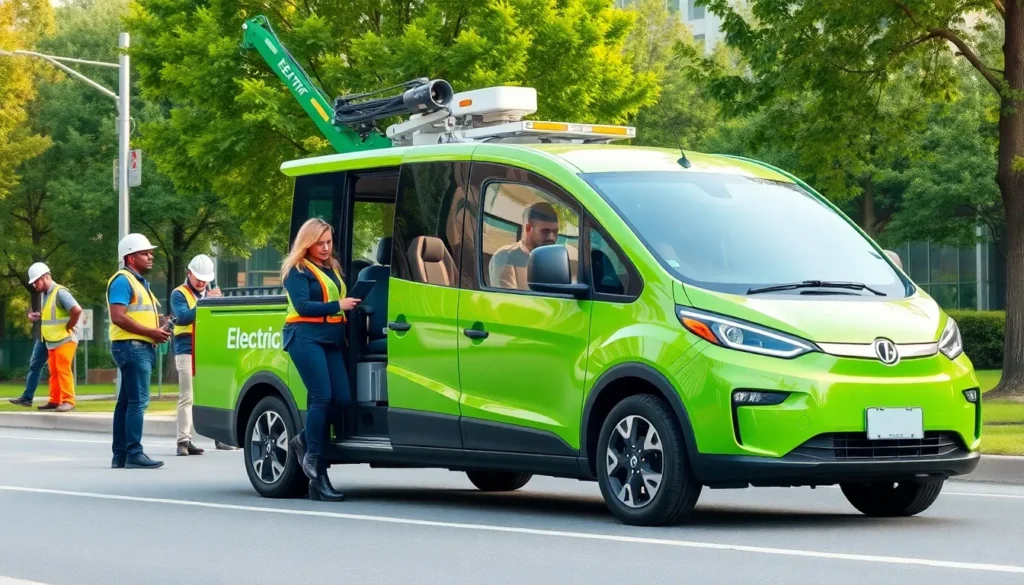
Electric utility vehicles offer substantial advantages that extend beyond their impressive performance. These benefits include environmental impact and cost savings.
Environmental Impact
Electric utility vehicles produce zero tailpipe emissions, significantly enhancing air quality. With no combustion process, pollutants like carbon dioxide and nitrogen oxides are eliminated. Adopting these vehicles supports global sustainability efforts, reducing dependence on fossil fuels. Utilities and municipalities increasingly recognize this impact, often shifting their fleets to electric options. As a result, communities experience cleaner air and healthier living conditions. The extensive range and power of these vehicles further contribute to their appeal, allowing them to serve various roles while remaining environmentally friendly.
Cost Savings
Cost savings emerge as another critical benefit. Operating electric utility vehicles typically incurs lower expenses, with electricity costing about one-third less than gasoline on a per-mile basis. Reduced maintenance requirements arise due to fewer moving parts, decreasing repair costs and vehicle downtime. Government incentives often apply to these vehicles, encouraging financial investment in electric fleets. Fleet managers appreciate these savings, allowing for budget reallocation to other essential services. In summary, electric utility vehicles present a financially sensible option while promoting sustainable practices within communities.
Types of Electric Utility Vehicles
Electric utility vehicles come in various types, each designed to meet specific operational needs. These vehicles include light-duty and heavy-duty options, providing flexibility for diverse applications in urban and rural settings.
Light-Duty Electric Vehicles
Light-duty electric vehicles cater to smaller tasks and daily commutes. These vehicles excel in urban environments, offering maneuverability and efficiency. Ranges often reach up to 250 miles on a single charge, which suits local deliveries and services. Power outputs typically range from 100 to 200 horsepower, delivering adequate performance for city driving. Examples include electric vans and compact trucks, frequently used by service industries. Their low operational costs contribute to significant savings, making them increasingly popular among fleet managers.
Heavy-Duty Electric Vehicles
Heavy-duty electric vehicles are engineered for rigorous tasks and demanding environments. Capable of hauling substantial loads, these vehicles often feature ranges surpassing 300 miles on a single charge. Power outputs can exceed 500 horsepower, making them suitable for construction sites and logistics applications. Electric garbage trucks and delivery vehicles represent common examples in this category. Utilities and municipalities increasingly adopt these vehicles, benefiting from reduced fuel expenses and lower maintenance needs. Environmentally, heavy-duty options deliver zero tailpipe emissions, aligning with sustainability goals.
Key Features to Consider
Understanding the key features of electric utility vehicles enhances decision-making. Two critical aspects to evaluate include battery life and towing capacity.
Battery Life
Battery life significantly impacts the usability of electric utility vehicles. Some models achieve ranges of up to 300 miles on a single charge. Users benefit from longer trips between charges, allowing for efficient work without frequent interruptions. New advancements in battery technology offer improved longevity and performance, which reduces the need for replacement. Additionally, rapid charging capabilities expedite downtime, providing convenience during busy schedules. Regular monitoring of battery health ensures consistent performance, keeping users informed about capacity and longevity.
Towing Capacity
Towing capacity influences the effectiveness of electric utility vehicles for heavy-duty tasks. Many heavy-duty electric utility vehicles possess towing capacities exceeding 10,000 pounds. This capacity allows for transporting equipment, trailers, or larger payloads seamlessly. With high torque output, these vehicles excel in delivering responsive towing, enhancing overall functionality. Users seeking versatile options find that many light-duty models also meet various towing needs, with capacities around 3,500 pounds. Understanding specific requirements assists fleet managers in selecting the most appropriate vehicle for their operational demands.
Leading Brands and Models
Several brands dominate the electric utility vehicle market with innovative models. Tesla leads with the Cybertruck, offering a remarkable range of up to 500 miles and exceptional power with over 800 horsepower. This vehicle suits heavy-duty tasks while ensuring environmental compliance.
Rivian enters the scene with its R1T electric pickup. This model features a range of 314 miles and a towing capacity exceeding 11,000 pounds. Its rugged design caters to both urban commuting and outdoor adventures, appealing to many drivers.
Ford has introduced the F-150 Lightning, which combines utility with advanced technology. This electric truck boasts a range of approximately 300 miles and can tow up to 10,000 pounds, making it a versatile option for both personal and commercial use.
Another significant player is Lordstown Motors, which offers the Endurance model. This electric utility truck provides a 250-mile range while specifically targeting delivery and service industries with its functional design. It also features four in-wheel motors for better traction and control.
Bollinger Motors has developed the B1 and B2 models, both focusing on utility and performance. These trucks can handle heavy loads and feature an all-electric platform, showcasing the brand’s commitment to functionality and sustainability.
Workhorse Group produces the C-Series, emphasizing last-mile delivery. This electric delivery vehicle has a range over 100 miles and can navigate urban environments with ease. Its efficiency and eco-friendliness align with modern transportation needs.
These leading brands and models in electric utility vehicles provide various options tailored to specific needs and sectors, reinforcing the push towards sustainable and efficient transportation solutions.
Electric utility vehicles represent a significant shift in the automotive landscape. With their impressive performance and eco-friendly attributes, these vehicles are redefining how industries approach transportation. As technology continues to advance, the range and capabilities of electric utility vehicles will only improve, making them an increasingly viable option for various operational needs.
The financial benefits and reduced environmental impact further solidify their appeal. As more utilities and municipalities adopt electric fleets, the movement towards sustainable transportation gains momentum. This evolution not only enhances air quality but also supports economic efficiency, making electric utility vehicles a smart choice for the future.


