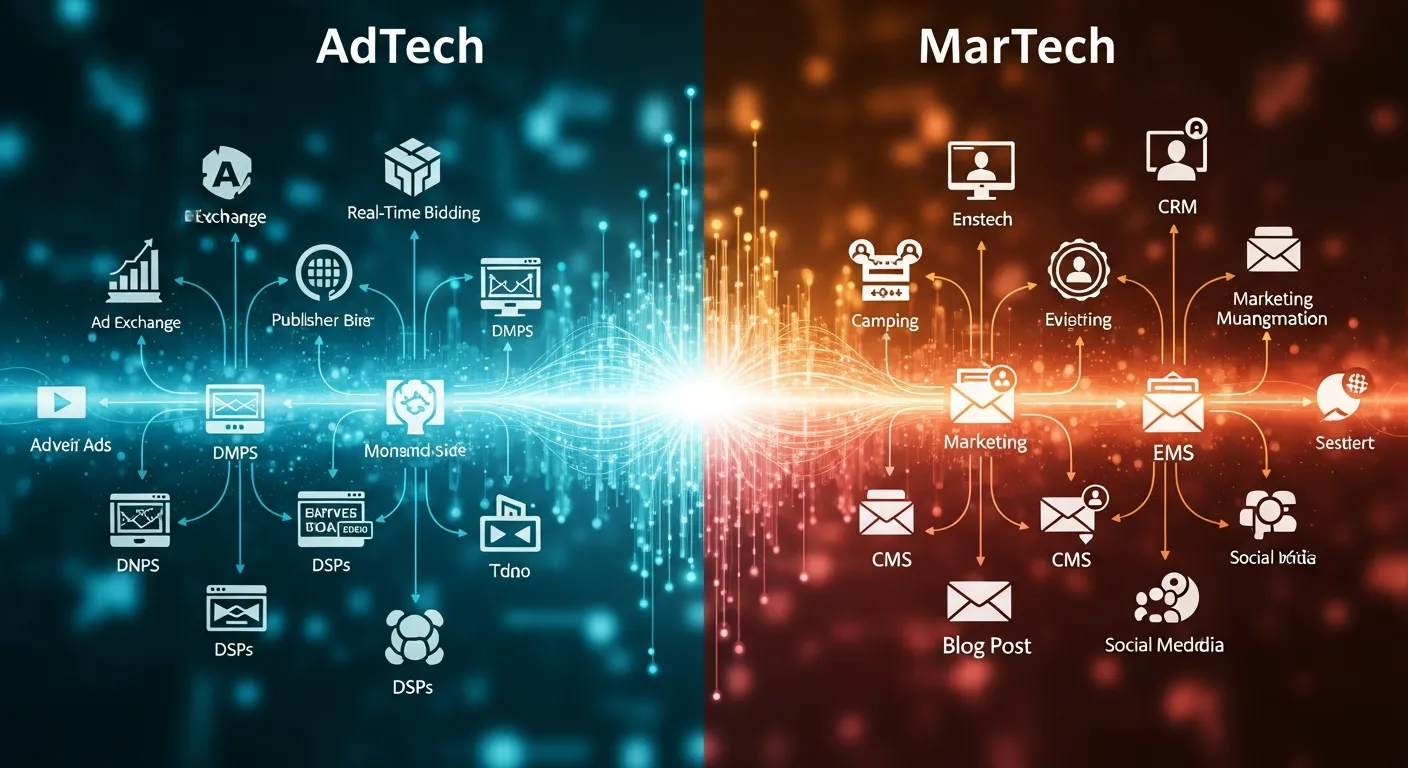
In today’s fast-paced business world, juggling customer relationships can feel like a circus act without a safety net. Enter CRM software integration, the unsung hero that swoops in to save the day. Imagine having all your customer data, sales insights, and marketing strategies harmoniously singing in unison. It’s like turning a chaotic band into a well-rehearsed orchestra, and who wouldn’t want that?
Overview of CRM Software Integration
CRM software integration streamlines customer relationship management by connecting various systems and data sources. Integrating CRM solutions enhances data accuracy and eliminates silos, ensuring that teams access real-time information. Organizations benefit from improved collaboration as marketing, sales, and customer service departments share insights effectively.
Integration enables automation of routine tasks. Automated processes reduce manual input, minimize errors, and free up staff time for strategic activities. As teams leverage data-driven insights, decision-making improves, leading to higher customer satisfaction.
Various integration methods exist. Native integrations offered by CRM providers often ensure seamless connections, while third-party services allow for compatibility with other software applications. Organizations should evaluate their needs before selecting the integration approach that best fits their infrastructure.
Flexibility is a crucial component of CRM software integration. Organizations may require customized solutions to meet unique business processes. Successful integration aligns CRM functionality with specific goals, enhancing overall operational efficiency.
Monitoring and evaluating integration effectiveness is essential for long-term success. Regular assessments reveal gaps that need addressing and can guide further enhancements. Leveraging analytics helps organizations understand customer behavior and engagement, leading to better strategic planning.
Ultimately, effective CRM software integration creates a cohesive ecosystem that centralizes customer data. A unified approach enables organizations to build meaningful connections and drive growth. By adopting integration best practices, companies elevate their customer engagement strategies and gain a competitive edge.
Key Benefits of CRM Software Integration

CRM software integration offers various advantages that significantly enhance business operations. Organizations can experience streamlined processes and improved collaboration across departments.
Improved Efficiency
Improved efficiency ranks among the primary benefits. Automation of routine tasks eliminates repetitive manual input, allowing teams to focus on high-value activities. Integrated systems facilitate the seamless flow of information across marketing, sales, and customer service. This connectivity eliminates delays in information sharing, enabling quicker decision-making. Real-time access to customer data ensures that staff has the most up-to-date information available, enhancing overall productivity. By maximizing efficiency, teams can respond faster to customer inquiries, fostering a more agile business environment.
Enhanced Data Accuracy
Enhanced data accuracy serves as another critical advantage. Integrating CRM systems reduces the likelihood of errors that occur when entering data into multiple platforms. Consistent data synchronization across integrated systems ensures that all team members work with reliable information. Better accuracy leads to improved forecasting and more effective marketing strategies tailored to customer behaviors. Organizations can reduce the impact of data silos by maintaining a single source of truth for customer insights. This cohesive approach translates directly into stronger decision-making capabilities, ultimately resulting in more targeted customer engagement.
Types of CRM Software Integration
CRM software integration can take various forms, each tailored to specific business needs. Understanding the types helps organizations choose the best approach.
Cloud-Based Integration
Cloud-based integration offers flexibility and scalability. Many CRM providers offer native cloud integrations, allowing seamless connections with various applications and services. Organizations benefit from reduced infrastructure costs as cloud solutions require minimal on-premise hardware. Data accessibility increases since users can access information from any device with internet connectivity. Enhanced collaboration occurs when team members share insights in real-time. Security protocols often meet industry standards, ensuring data protection. This method supports quick deployment, allowing businesses to adapt to changing needs effectively.
On-Premise Integration
On-premise integration involves installing and maintaining software systems within an organization’s infrastructure. This method provides greater control over data security and compliance, which is crucial for industries with strict regulations. Companies accessing sensitive information prefer this approach due to enhanced control over their data. Customization is often easier, allowing organizations to tailor systems to meet specific operational requirements. Integration may require significant resources for setup and maintenance, impacting long-term costs. However, this method may ensure consistent performance without reliance on internet connectivity for access.
Challenges in CRM Software Integration
Integrating CRM software poses several challenges that organizations must navigate effectively. Addressing these issues ensures successful integration and maximizes the benefits.
Data Migration Issues
Data migration presents significant challenges during CRM integration. Companies often encounter problems with data accuracy, leading to incomplete or inconsistent information in the new system. Inadequate preparation can result in loss of vital customer data, causing disruptions in operations. Ensuring robust data mapping is crucial for maintaining integrity. Their integration often requires extensive testing to identify gaps and errors. Organizations may also face compatibility issues between legacy systems and the new CRM, complicating migration efforts. Investing in specialized tools and expert assistance can streamline this process considerably.
User Adoption
User adoption is another critical challenge in CRM software integration. Employees may resist transitioning to the new system due to discomfort with change or lack of proper training. Providing comprehensive training and ongoing support can foster confidence and capability in using the new system. Communication is vital; sharing the advantages of the integration helps in winning over skeptical users. Many organizations find that involving team members in the integration process enhances buy-in. Tracking user engagement and feedback enables continuous improvement of the system and addresses potential concerns. Establishing a culture of adaptability promotes a smoother transition to a more effective CRM approach.
Best Practices for Successful Integration
Successful CRM software integration relies on careful planning and strategic implementation. Identify specific organizational needs before starting the integration process. This assessment ensures that selected tools align well with existing workflows and objectives.
Involve key stakeholders from marketing, sales, and customer service teams throughout the integration. Gathering insights from diverse departments promotes buy-in and helps fine-tune the integration approach. Addressing user concerns early leads to a smoother transition and improves overall satisfaction.
Regularly evaluate integration performance after implementation. Collecting data on system functionality and user engagement offers insights into areas needing improvement. This ongoing assessment supports data-driven decisions for future upgrades.
Choose an appropriate integration method that aligns with the organization’s capabilities. Cloud-based solutions typically offer flexibility and scalability, while on-premise systems provide more control over data security. Understanding these advantages allows for an informed choice tailored to specific requirements.
Invest in robust training programs for employees. Providing comprehensive training ensures that users feel confident navigating the new system, reducing resistance to change. Support mechanisms, such as help desks or regular Q&A sessions, help maintain engagement after implementation.
Create a centralized data repository as an integration focal point. This repository facilitates seamless information flow among varied systems, enhancing data accuracy and reliability. Centralization allows all stakeholders to access consistent, up-to-date customer information efficiently.
Maintain open lines of communication throughout the integration process. Regular updates on progress, challenges, and successes keep teams informed and motivated. This transparency also fosters a culture of collaboration and shared goals.
CRM software integration is a vital strategy for businesses aiming to enhance customer relationships and operational efficiency. By connecting various systems and data sources, organizations can create a unified platform that promotes collaboration across teams. This seamless integration not only improves data accuracy but also automates routine tasks, allowing staff to focus on strategic initiatives.
To achieve successful integration, companies must assess their specific needs and choose the right methods tailored to their operations. Ongoing evaluation and adaptation are crucial for maintaining effectiveness and ensuring the integration continues to meet evolving business demands. Embracing these practices will empower organizations to build stronger customer connections and drive sustainable growth in a competitive landscape.