
Electric vehicles are no longer just a futuristic dream; they’re zooming onto our roads with impressive speed. But amidst the buzz and excitement, one question lingers like a stubborn stain on a white shirt: Are electric vehicles really reliable? With all the hype about saving the planet and cutting fuel costs, it’s easy to overlook the crucial element of dependability.
Overview of Electric Vehicle Reliability
Electric vehicles (EVs) exhibit a high level of reliability due to their simpler machinery compared to internal combustion engine vehicles. Many manufacturers, like Tesla and Nissan, focus on durable components that withstand the rigors of everyday use. Battery life is a critical factor for reliability, with most modern EV batteries designed to last between 8 to 15 years, depending on usage patterns and environmental conditions.
Research by the Automotive Research Center (2022) shows that EVs typically require 30% less maintenance than traditional vehicles. This factor contributes to their overall reliability, as fewer moving parts lead to lower chances of mechanical failure. Customer satisfaction ratings often reflect these reliability trends, with numerous surveys indicating that EV owners report fewer issues than gasoline vehicle owners.
Industry data confirms that electric motors have a lifespan of over 1 million miles, highlighting their durability. Battery management systems incorporate technology to optimize performance and enhance the longevity of EV batteries. Over-the-air updates frequently improve vehicle functionality, addressing software-related issues without requiring service visits.
Consumer feedback indicates confidence in EV reliability, with many stating that their experiences surpass expectations. Warranty specifications typically cover key components for extensive periods, further assuring potential buyers. Advancements in manufacturing techniques and materials also contribute to the growing trust in electric vehicle technology.
Adopting electric vehicles translates into reduced maintenance costs and fewer trips to the mechanic. Sustainability efforts also drive innovations aimed at enhancing reliability in the EV market. Overall, electric vehicle reliability stands as a compelling reason for their increased adoption.
Factors Influencing Reliability
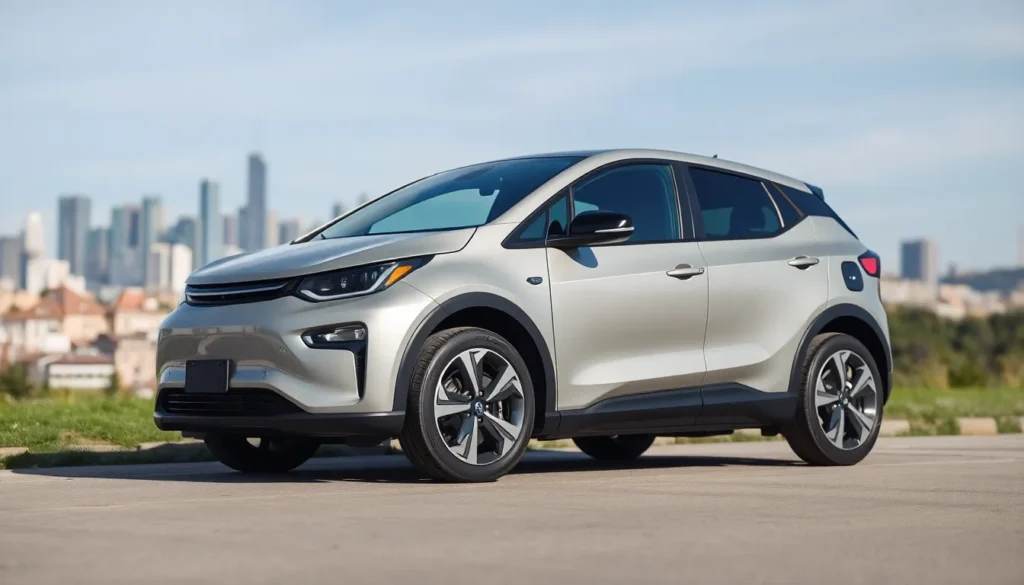
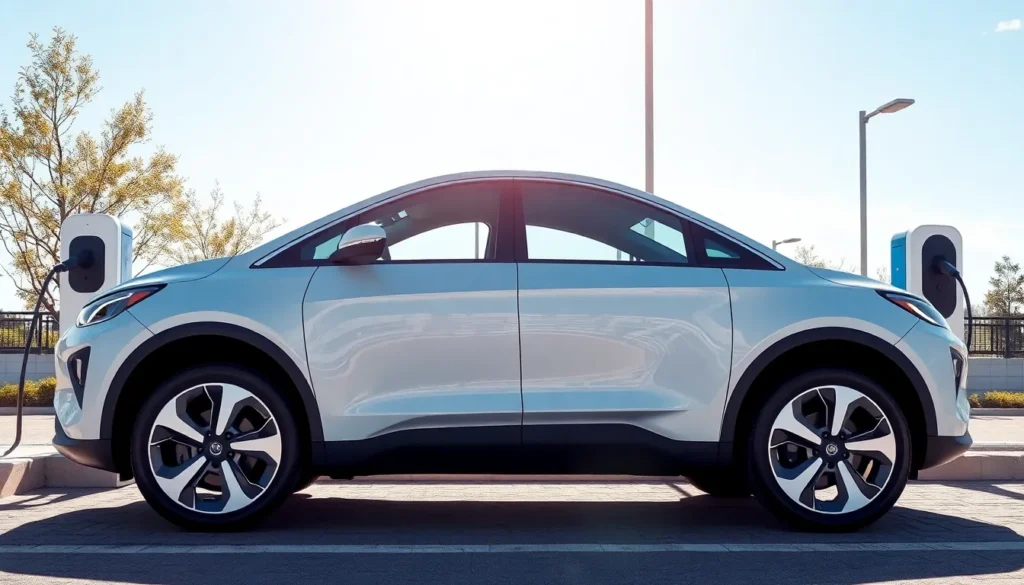
Several key factors influence the reliability of electric vehicles. Battery performance directly impacts an EV’s dependability, as quality batteries ensure long service life and effectiveness. Most modern EV batteries last between 8 to 15 years, allowing for extensive use without significant issues. High-quality components, such as those used by Tesla and Nissan, contribute to overall vehicle durability.
Software and technology issues also play a crucial role in reliability. Advanced features in electric vehicles, like over-the-air updates, improve performance and address software glitches efficiently. Research indicates that EVs encounter fewer problems than traditional vehicles, resulting in higher customer satisfaction. Manufacturers prioritize evolving software solutions aimed at enhancing user experience and ensuring reliability, which bolsters consumer confidence in electric vehicles.
Comparison with Traditional Vehicles
Electric vehicles (EVs) increasingly showcase advantages over traditional vehicles. Their maintenance and longevity contribute significantly to their reliability.
Maintenance Requirements
EVs require less maintenance than traditional vehicles. Due to simpler components, they experience fewer mechanical failures. Routine tasks, such as oil changes, are unnecessary for electric models, reducing overall costs. According to industry research, EVs necessitate 30% less maintenance. Brake wear is minimal in EVs, thanks to regenerative braking systems that extend brake life. Many owners appreciate this aspect, reporting fewer visits to service centers. Overall, reduced maintenance enhances reliability and convenience for EV drivers.
Longevity and Durability
Longevity remains another key factor for EV reliability. Modern EV batteries last between 8 and 15 years, which is noteworthy. Brands like Tesla and Nissan design batteries to withstand diverse conditions and long usage. Electric motors further demonstrate remarkable durability, often exceeding 1 million miles. Advanced battery management systems optimize performance, which enhances life expectancy. Consumer feedback highlights experiences that surpass expectations, showcasing confidence in longevity. Warranty coverage frequently extends to critical components, reassuring potential buyers about their investment’s durability.
Real-World Experiences
Real-world experiences showcase the evolving reliability of electric vehicles. Positive consumer feedback highlights their dependability and performance.
Consumer Testimonials
Owners frequently express satisfaction with their electric vehicles. Many report fewer issues compared to traditional gasoline vehicles. Joyful drivers often cite the lack of mechanical failures and reduced maintenance as major advantages. Significant numbers indicate that battery life has exceeded their expectations, lasting well beyond initial estimates. A common theme in testimonials emphasizes the durability and reliability of electric components, leading to increased confidence in EVs. Newer models, equipped with advanced technology, frequently receive praise for seamless over-the-air updates that enhance performance.
Industry Reports
Industry reports provide insights into electric vehicle reliability. Data reveals that EVs require approximately 30% less maintenance than their gasoline counterparts. Many studies emphasize that electric motors can last over 1 million miles, strengthening their reputation for longevity. Battery management systems continue to evolve, contributing to improved performance and reduced failure rates. Additionally, warranty specifications often extend significantly, covering vital components for long periods. Analysts consistently highlight the minimal service requirements of modern EVs, reinforcing their stance as reliable alternatives for consumers.


