
In a world where gas prices seem to rise faster than a Tesla on Ludicrous Mode, electric vehicles are zooming into the spotlight. But behind the sleek designs and eco-friendly promises lies a complex web known as the electric vehicle supply chain. It’s not just about charging stations and battery packs; it’s a high-stakes game involving minerals, manufacturers, and a dash of global logistics that would make even the most seasoned supply chain manager’s head spin.
Overview of Electric Vehicles Supply Chain
Electric vehicles (EVs) rely on a complex supply chain that includes multiple stages. The journey begins with raw materials, especially essential minerals like lithium, cobalt, and nickel. These minerals play a crucial role in battery production, which is fundamental to EV functionality.
Manufacturers extract these minerals from various locations around the globe. Various factors affect this extraction, including geopolitical conditions and environmental regulations. Supply chain stakeholders must navigate these complexities to ensure a steady flow of materials.
Once extracted, these materials undergo processing and refinement. The processing plants convert raw minerals into battery components. Battery manufacturers then use these components to produce the power sources that drive EVs.
Automakers assemble various parts and components from numerous suppliers. They integrate various technologies, such as electric motors and charging systems, to complete the vehicle. In many cases, partnerships between manufacturers enhance collaboration across the supply chain.
Logistics management remains vital in the distribution of finished vehicles. Efficient transportation networks ensure timely delivery to dealerships and customers. Given the global nature of the supply chain, challenges such as tariffs and trade policies can impact logistics.
Regulatory compliance influences every aspect of the supply chain as well. Each country has specific standards for emissions and safety that manufacturers must meet. Adhering to these regulations often involves additional costs and complexities.
Throughout the entire supply chain, transparency and sustainability have gained importance. As consumers demand eco-friendly practices, companies prioritize responsible sourcing and production methods. The future of the electric vehicle supply chain hinges on innovation and adaptation to these evolving demands.
Key Components of the Supply Chain
The electric vehicle supply chain consists of various critical elements. Each component plays a vital role in ensuring the successful production of EVs.
Raw Materials
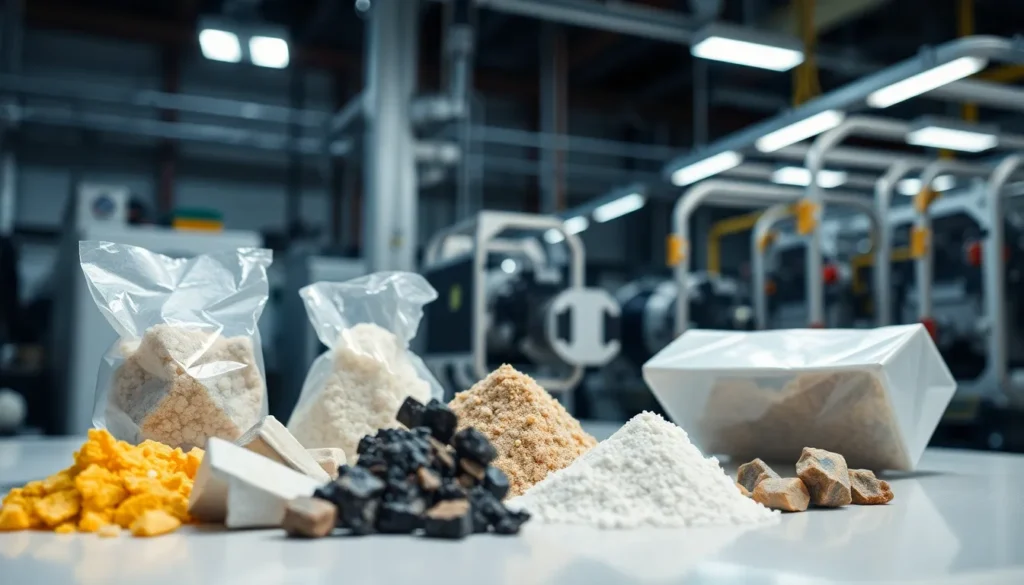
Raw materials form the backbone of electric vehicle production. Lithium, cobalt, and nickel are essential for battery development. These minerals are typically mined across different regions, where geopolitical factors influence availability and prices. Securing a stable supply chain for these materials relies on steady relationships with suppliers. Manufacturers often prioritize ethical sourcing to address environmental and social concerns. Understanding the complexities of mineral extraction typically involves navigating regulatory landscapes which can impact timelines and costs.
Manufacturing Processes
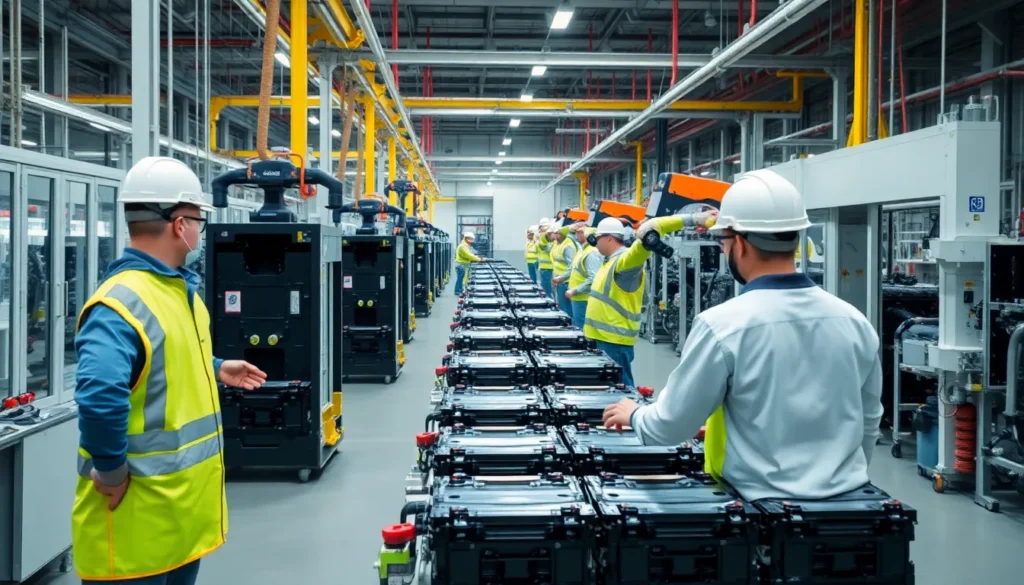
Manufacturing processes involve transforming raw materials into functional components. Battery cells undergo rigorous production methods to ensure performance and safety. Companies utilize advanced automation and robotics to enhance efficiency. Collaboration between suppliers of battery components and vehicle manufacturers is key to streamlining production. Quality control plays an essential role throughout these processes, with multiple checks in place to maintain high standards. Timely integration of parts and technologies ultimately leads to a more reliable final product.
Challenges in the Electric Vehicles Supply Chain
The electric vehicles supply chain faces significant challenges that affect its efficiency and effectiveness. Among these challenges, resource scarcity and demand fluctuations stand out as critical issues.
Resource Scarcity
Resource scarcity poses a substantial hurdle. Essential minerals like lithium, cobalt, and nickel are becoming increasingly difficult to source due to rising global demand. Mining operations often face regulatory obstacles and geopolitical tensions, complicating extraction efforts. Additionally, many regions with abundant mineral resources lack the infrastructure to support efficient mining and processing. Ethical sourcing becomes essential in light of these challenges, as manufacturers strive to ensure that their supply chains align with sustainable practices. Innovations in recycling and alternative materials help mitigate resource scarcity, yet they require extensive investment and research to become viable solutions.
Demand Fluctuations
Demand fluctuations significantly impact the electric vehicles supply chain. Market trends can shift rapidly, driven by consumer preferences, economic conditions, and technological advancements. Manufacturers often encounter difficulties in accurately forecasting demand, leading to overproduction or shortages of vehicles. This unpredictability affects the entire supply chain, from raw material procurement to logistics management. Strategic partnerships and adaptive supply chain practices help manage these fluctuations. Companies increasingly focus on agility and responsiveness to real-time market conditions, allowing them to meet changing demands more effectively.
Innovations in the Supply Chain
Innovations are reshaping the electric vehicle supply chain, enhancing efficiency and agility. Key advancements center around technology adoption and sustainability efforts.
Technology Adoption
Automation streamlines manufacturing processes, optimizing production efficiency. Blockchain technology enhances tracking of essential minerals, ensuring transparency in sourcing. Advanced data analytics aids in predicting demand and managing inventory effectively. Robotics plays a crucial role in assembly lines, improving precision and reducing labor costs. Real-time communication tools empower collaboration among suppliers, manufacturers, and logistics providers, facilitating swift decision-making. Augmented reality assists technicians in maintenance and troubleshooting, enhancing support services.
Sustainability Efforts
Sustainable practices are increasingly necessary for supply chain management. Manufacturers prioritize ethical sourcing of minerals to mitigate environmental impact. Circular economy principles transform waste into resources, promoting recycling and reuse. Renewable energy is being integrated into manufacturing plants, reducing carbon footprints significantly. Partnerships with responsible mining companies advocate for social accountability within supply chains. Innovation in battery recycling technologies aims to recover valuable materials, minimizing resource scarcity.
Future Trends in Electric Vehicles Supply Chain
Artificial intelligence significantly enhances supply chain efficiency, allowing for better predictions of demand and resource allocation. Advanced analytics play a vital role, helping manufacturers identify trends and adjust production schedules accordingly. Moreover, collaborations among industry players drive innovation, fostering a culture of shared knowledge and practices.
Sustainable sourcing is emerging as a non-negotiable standard, with companies emphasizing ethical practices throughout the supply chain. Manufacturers increasingly prioritize transparency in sourcing essential minerals, responding to consumer demand for sustainable and responsible practices. As environmental regulations tighten, adherence to these standards becomes crucial in maintaining brand reputation.
Battery technology advancements reshape supply chain dynamics, with solid-state batteries gaining traction due to their higher energy density and safety. Integration of these technologies promises faster charging times and longer ranges, affecting materials sourcing and manufacturing processes. Consequently, the need for innovative recycling methods becomes even more pressing as old battery components need proper management.
Logistics solutions are evolving through autonomous vehicles and drones, streamlining the distribution of finished electric vehicles. Transitioning to these technologies can significantly reduce transportation costs and improve delivery times. Supply chain flexibility is essential in this evolving landscape, allowing companies to adapt quickly to unpredicted changes in demand.
Emergence of localized supply chains aims to reduce reliance on international sourcing, enhancing resilience against geopolitical risks and unexpected disruptions. By establishing regional manufacturing hubs, companies can accelerate production and minimize transportation emissions. An active approach to reshaping the electric vehicle supply chain ensures it remains robust and ready to tackle future challenges effectively.


