
Electric vehicles are turning heads and sparking conversations, but one question keeps buzzing around: do they have alternators? While traditional cars rely on these trusty components to generate electrical power, EVs are rewriting the rulebook. Imagine a world where your car doesn’t need that whirring metal piece to keep the lights on. Sounds like science fiction, right?
Understanding Electric Vehicles
Electric vehicles function fundamentally differently from traditional gasoline-powered cars. These vehicles utilize electric motors for propulsion, commonly powered by large battery packs. Batteries provide the necessary energy to operate the vehicle, eliminating the role of an alternator.
Power generation in electric vehicles relies on regenerative braking systems to recover energy during deceleration. Regenerative braking captures kinetic energy, converting it back into electrical energy, which replenishes the battery. This process enhances overall efficiency while reducing energy waste.
Charging for electric vehicles occurs primarily through dedicated charging stations or home setups. Many models allow for fast charging, significantly decreasing downtime for drivers. Alternative options include level 2 chargers, which provide a moderate charging speed, and level 1 chargers, suitable for overnight use.
Most electric vehicles incorporate onboard chargers to manage battery charging efficiently. These chargers convert the incoming electrical current into a format compatible with the vehicle’s battery. Unlike traditional vehicles that require alternators to recharge batteries while driving, electric vehicles achieve energy balance through their battery management systems.
Electric vehicles often feature advanced technologies, such as battery monitoring systems, which optimize battery performance and lifespan. Additionally, many models integrate energy-efficient designs that maximize range and reduce energy consumption. This technological advancement reflects the growing trend of sustainability in the automotive industry.
Overall, electric vehicles represent a distinct departure from traditional automotive designs. The reliance on electric motors and sophisticated power management systems underscores their innovative engineering. Shifting toward electric vehicles marks a significant evolution in personal transportation.
The Role of Alternators in Traditional Vehicles
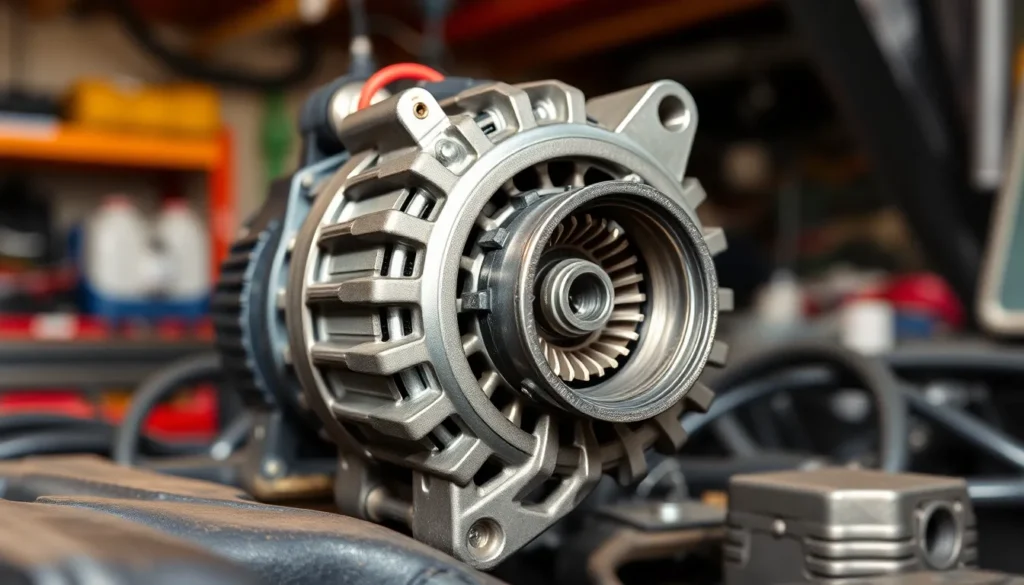
Alternators play a crucial role in traditional vehicles by generating electrical power. These components convert mechanical energy from the engine into electrical energy.
How Alternators Work
Alternators function by using a rotating magnetic field to induce an electrical current. A rotor spins inside a stator, producing alternating current (AC). Rectifiers then convert this AC into direct current (DC), which powers the vehicle’s electrical system. Additionally, the alternator charges the battery, ensuring it maintains a sufficient charge for starting the engine and powering accessories.
Importance of Alternators
Maintaining electrical systems relies heavily on alternators in traditional vehicles. They supply power for headlights, infotainment systems, and other essential functions. Without an alternator, batteries would quickly discharge, leading to vehicle malfunctions. Additionally, these components enhance fuel efficiency by allowing the engine to operate smoothly without overloading the battery. Overall, alternators are vital for the effective functioning of conventional cars, ensuring all electrical components operate seamlessly.
Do Electric Vehicles Have Alternators?
Electric vehicles do not have alternators. They utilize different systems for power generation and management.
Explanation of Electric Vehicle Power Systems
Electric vehicles rely on large battery packs to supply energy. These batteries store electrical power for the electric motors that drive the vehicle. Regenerative braking systems also contribute to energy efficiency. During deceleration, they recover energy, which enhances overall driving range. Charging occurs via dedicated stations or home setups. Options for fast charging and various charger levels are available to meet user needs. Onboard chargers convert electrical current, ensuring compatibility with the battery. Advanced monitoring systems optimize battery performance, further promoting sustainability in transportation.
Differences Between EVs and Traditional Vehicles
Traditional vehicles depend on alternators to generate electrical power. These devices convert mechanical energy from the engine into electrical energy. Electric vehicles, however, function entirely on electric motors. Alternators maintain the electrical systems in conventional cars, powering components like headlights and infotainment. Regenerative braking allows EVs to recover energy that would otherwise be lost. In contrast, conventional cars require refueling at gas stations, while electric vehicles charge at home or dedicated points. Overall, electric and traditional vehicles differ significantly in their design and operational principles.
Benefits of Electric Vehicle Power Management Systems
Electric vehicle power management systems enhance energy efficiency significantly. Efficient energy distribution optimizes the use of battery power for various vehicle functions. This management includes smart strategies to prioritize power for essential components like lights and climate control while decreasing demand from non-essential systems.
Advanced regenerative braking systems stand out as one of the key benefits. These systems recover energy during braking, converting it back into usable electric power. Regenerative braking contributes to increased overall range by extending battery life and reducing the frequency of charging.
Battery monitoring technology also plays an important role in power management. It provides real-time data about battery health and charge levels, ensuring optimal performance. Monitoring systems help drivers by displaying accurate information, allowing for better planning regarding charging needs.
Integration of renewable energy sources adds another layer of innovation. Some electric vehicles enable charging with solar or wind energy, reducing reliance on traditional power grids. This adaptation supports sustainability goals and promotes a cleaner energy cycle.
User-friendly interfaces facilitate easier interaction with power management systems. Clear displays provide insights into energy consumption patterns, empowering drivers to make informed decisions. Easy access to charging station information enhances the overall driving experience while reducing range anxiety.
Overall, electric vehicle power management systems represent a leap forward in automotive technology. They maximize energy use, promote sustainability, and improve user interaction.
Electric vehicles represent a significant shift in automotive technology. By eliminating the need for alternators they embrace a more efficient power management system. This innovation not only enhances energy recovery through regenerative braking but also optimizes battery performance for a sustainable driving experience.
As the automotive industry continues to evolve the advantages of electric vehicles become increasingly clear. They offer drivers a unique combination of efficiency and eco-friendliness that traditional vehicles can’t match. Understanding these differences highlights the transformative potential of electric mobility in shaping the future of transportation.


